
- Comprehensive cancer Care
Lung Cancer Treatment in Mumbai
Asian Cancer Institute & ACI Super Speciality Hospitals - built on dedication, operational efficiency and values, so that the best care arrives the first time.
40+ years
Senior leadership experience
Since 2002
Dedicated cancer care
Multidisciplinary
Treatment planning
NABH
Accredited hospital
Lung Cancer Treatment in Mumbai
Lung cancer begins when abnormal cells in the lungs grow uncontrollably and form a tumour. Treatment depends on the type of lung cancer, its stage and your overall health. It may include surgery, chemotherapy, targeted therapy, immunotherapy, radiotherapy, or a combination.
At Asian Cancer Institute – ACI Cumballa Hill Hospital, our oncology and surgical teams provide lung cancer treatment in Mumbai. Each treatment plan is based on your diagnosis, cancer stage, overall health and individual needs.
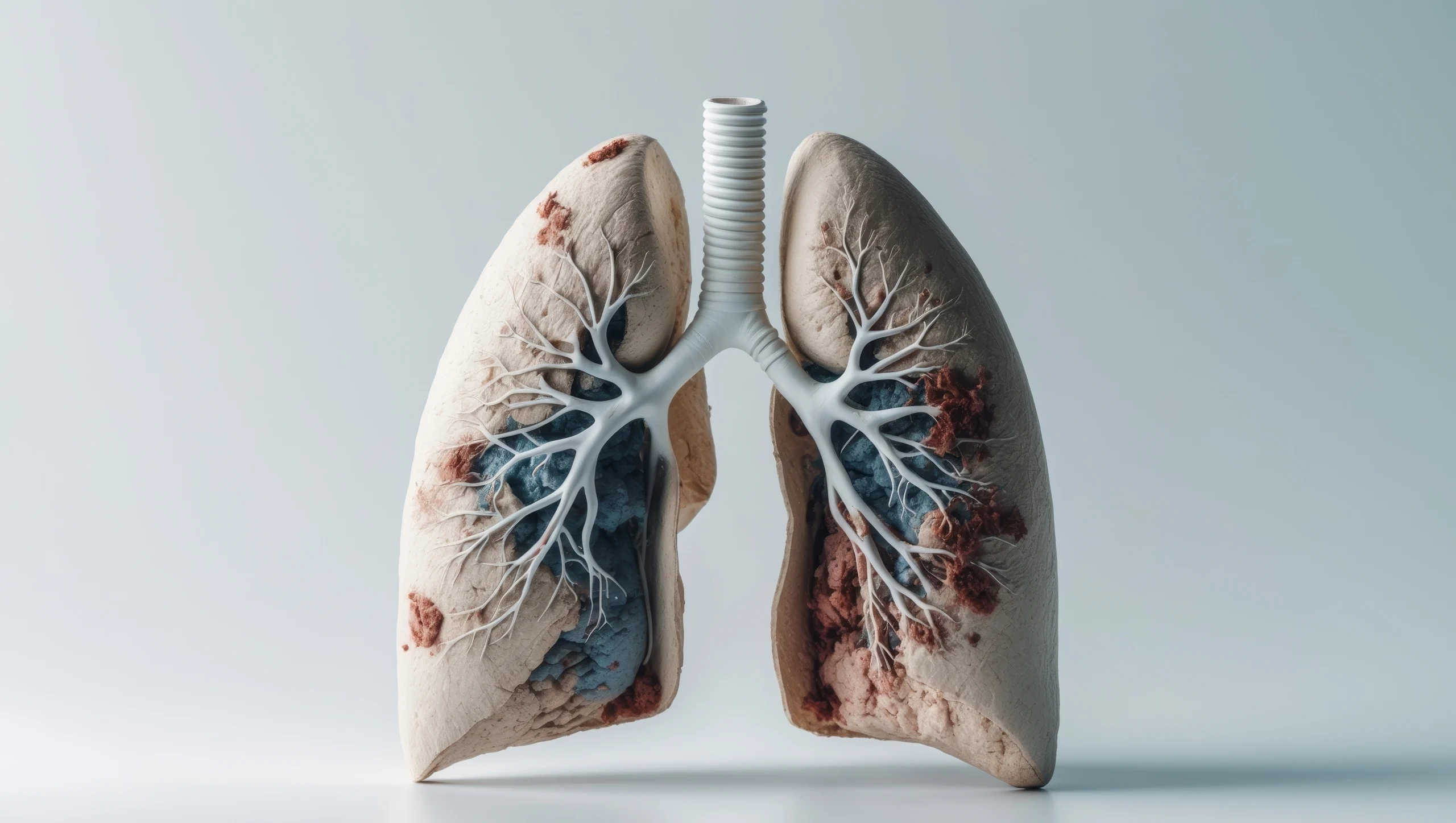
What Is Lung Cancer?
Lung cancer can start in any part of the lungs. There are two main types: Non-small cell lung cancer (NSCLC): the more common type, which usually grows more slowly. Small cell lung cancer (SCLC): a less common type that tends to grow and spread faster. Knowing the type is important because treatment differs for each. In the early stages, lung cancer may cause no symptoms, so it is sometimes found during tests done for another reason.
Symptoms of Lung Cancer
Common symptoms include:

Note:These symptoms can also be caused by non-cancerous conditions such as infections, asthma or tuberculosis. If they continue for more than a few weeks, please consult a doctor.
01
A cough that does not go away or gets worse
02
Coughing up blood
03
Chest pain, especially when breathing deeply or coughing
04
Shortness of breath
05
Wheezing or hoarseness
06
Repeated chest infections
07
Unexplained weight loss and loss of appetite
08
Persistent tiredness
Causes and Risk Factors
The exact cause is not always known. Some factors may increase the risk of stomach cancer:
Smoking, including bidi and cigarettes, which is the leading risk factor
Long-term exposure to second-hand smoke
Air pollution
Workplace exposure to substances such as asbestos
Exposure to radon gas
A family history of lung cancer
Previous lung disease or earlier radiation to the chest
Note: Lung cancer can also occur in people who have never smoked. Having a risk factor does not mean you will develop cancer.
When to See a Doctor
Consult a doctor if you have a cough, breathlessness, chest discomfort or weight loss that does not settle within a few weeks. Seek medical care promptly if you have:
Coughing up blood
Sudden or severe breathlessness
Persistent chest pain
Rapid, unexplained weight loss
Note: If you are a long-term smoker or at higher risk, ask your doctor whether screening is suitable for you.
How Is Lung Cancer Diagnosed?
Early and accurate diagnosis helps your doctor choose the right treatment. Based on your symptoms and examination, your doctor may recommend:
Chest X-ray and CT scan
To look for abnormal areas in the lungs
Biopsy and histopathology
A small tissue sample examined under a microscope to confirm cancer and identify its type
Bronchoscopy
A thin, flexible tube with a camera to look inside the airways and take samples
PET-CT and other imaging
To check whether the cancer has spread
Molecular and biomarker testing
To look for specific features of the tumour that may guide targeted treatment or immunotherapy
Blood tests and lung function tests
To assess your general health and how well your lungs are working
Note: Our Endoscopy services and radiology team support the diagnostic process, while oncology specialists assess the results and plan treatment.
Lung Cancer Treatment Options
Treatment depends on the type of lung cancer, its stage, the tumour's features and your overall health. Your care team will explain the options and the reasons for their recommendation. Often, more than one treatment is combined.
01 / SURGERY
Lung Cancer Surgery
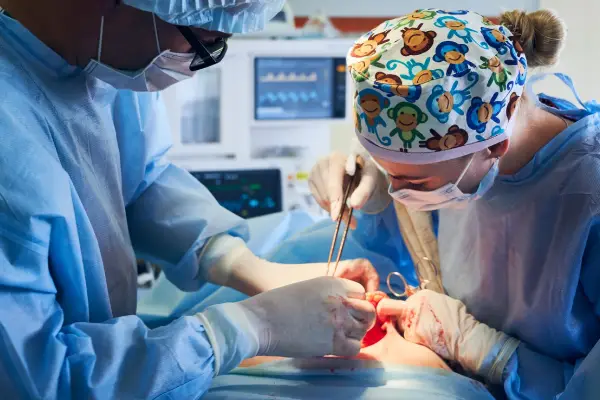
Surgery may be recommended when the cancer is limited to the lung and can be removed. Depending on the size and location of the tumour, the surgeon may remove a small part of the lung, a section called a lobe, or in some cases the whole lung. Nearby lymph nodes may also be removed to check for spread. Asian Cancer Institute offers Surgical Oncology services, with operating theatres and a robotic surgery suite to support suitable procedures.
01 / SURGERY
Chemotherapy
Chemotherapy uses anti-cancer medicines to destroy or control cancer cells. It may be given before surgery, after surgery, along with radiotherapy, or as the main treatment for advanced cancer. Our Medical Oncology team plans treatment based on your diagnosis, pathology results and overall health. Chemotherapy and daycare services are available for eligible patients.
01 / SURGERY
Targeted Therapy
Some lung cancers have specific changes in their genes or proteins. Targeted therapy uses medicines that act on these changes. It is considered only when testing shows the tumour is suitable.
01 / SURGERY
Immunotherapy
Immunotherapy helps the body's immune system recognise and fight cancer cells. It may be recommended for selected patients based on the type and stage of cancer and test results.
01 / SURGERY
Radiotherapy
Radiotherapy uses high-energy rays to destroy cancer cells. It may be used alone or with other treatments, and sometimes to relieve symptoms in advanced cancer.
Possible Risks and Side Effects
All cancer treatments can cause side effects, and these vary from person to person.
After surgery
Pain, bleeding, infection, air leaking into the chest, and temporary breathlessness. Recovery of lung function takes time.
During chemotherapy
Nausea, tiredness, hair loss, lower blood counts and a higher risk of infection.
With targeted therapy or immunotherapy
Skin changes, diarrhoea, tiredness, or inflammation in some organs, depending on the medicine.
With radiotherapy
Skin irritation, tiredness, cough, and difficulty swallowing.
Your team will explain what to expect and how side effects are managed.
Recovery and Aftercare
Recovery depends on the type of treatment and your general health. After lung surgery, breathing exercises and gradual physical activity help the lungs recover. If you smoke, quitting is one of the most important steps you can take, and your doctor can help you with this. Good nutrition and rest also support healing. Regular follow-up visits and scans help the team monitor your recovery and check for any return of the disease.
Our Experts
Lung cancer care may involve specialists from several areas of oncology and surgery. At ACI Cumballa Hill Hospital, patients have access to experienced specialists across these disciplines.
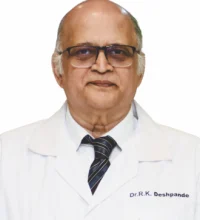
Padmashri
Dr. Ramakant Deshpande
MBBS, MS, FICA, FAIS, DHA
CHAIRMAN HOD Thoracic Surgery, Surgical Oncology

Dr. Prriya Eshpunyani
FMAS, FAIS, MNAMS,
Consultant Thoracic Surgeon & Oncologist
Why Choose Asian Cancer Institute?
ACI Cumballa Hill Hospital is a NABH-accredited tertiary healthcare centre with more than 50 beds and dedicated ICU facilities. It has three operating theatres, a robotic surgery suite, an endoscopy suite and daycare services.
Medical oncology, surgical oncology, endoscopy, radiology and other supportive specialties work together, so you can receive coordinated cancer care under one roof. Our approach focuses on personalised treatment, clear communication and compassionate care through diagnosis, treatment and follow-up.
Questions, answered
Frequently Asked Questions (FAQs)
Every case is different. These answers can help you prepare for a more detailed conversation with your care team.
Early lung cancer often causes no symptoms. When symptoms appear, they may include a long-lasting cough, breathlessness, chest pain, wheezing or coughing up blood. These can also be caused by other conditions, so a doctor's evaluation is needed.
Yes. Smoking is the biggest risk factor, but lung cancer can also affect people who have never smoked. Air pollution, second-hand smoke, workplace exposure to certain substances and family history may play a role.
Doctors usually start with imaging such as a chest X-ray or CT scan. A biopsy is then needed to confirm cancer and identify its type. Additional tests show how far the cancer has spread and whether targeted treatment may be suitable.
It depends mainly on the type and stage at diagnosis. When found early and the tumour can be removed, treatment may aim for a cure. In advanced cases, treatment usually focuses on controlling the disease and improving quality of life. Your oncologist can explain what to expect in your situation.
No. Surgery is considered when the cancer is limited and can be removed. Other options include chemotherapy, radiotherapy, targeted therapy and immunotherapy, used alone or in combination based on your diagnosis.
Chemotherapy acts on rapidly dividing cells, including some healthy ones. Targeted therapy acts on specific changes found in certain cancer cells. It is used only if tests show the tumour has such changes.
Quitting smoking, eating a balanced diet, staying gently active as advised and attending follow-up visits all help. Ask your care team before starting any exercise plan or supplements.
Speak with ACI
Book an Appointment for Stomach Cancer Treatment in Mumbai
If you have been diagnosed with lung cancer, are experiencing an ongoing cough, breathlessness, or other chest symptoms, or are seeking a second opinion on your diagnosis or treatment plan, speaking with an oncology specialist can help you understand your condition and available treatment options. Contact Asian Cancer Institute – ACI Cumballa Hill Hospital to schedule a consultation or seek a second opinion.
Related Cancer Services
Depending on your diagnosis and treatment plan, you may also need: