
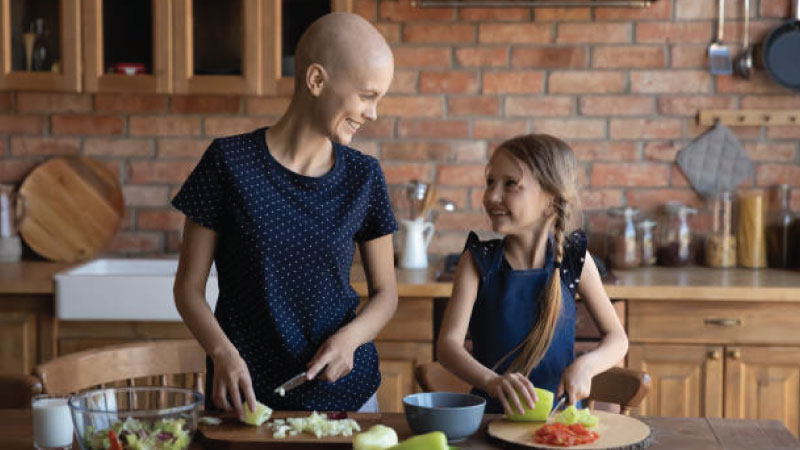
Cancer is a group of diseases that develop when abnormal cells grow uncontrollably and sometimes spread to other parts of the body. It can affect various organs, including the lungs, breasts, liver, stomach, colon and skin.
Understanding the top 10 causes of cancer can help individuals recognise potential risk factors and make informed decisions about prevention, screening and timely medical care.
37 %
GLOBAL ESTIMATE · 2022
THE BIG PICTURE
Approximately 37% of new cancer cases worldwide in 2022 were attributable to preventable causes, according to the WHO.
Risk reduction matters — even when complete prevention isn't possible.
Although not all cancers can be prevented, several lifestyle and environmental factors can influence cancer risk.
What Causes Cancer?
Cancer develops when changes in a cell’s DNA interfere with normal growth, division and repair processes. These changes, known as mutations, may occur due to inherited genetic factors, environmental exposures, infections or natural errors during cell division.
Cancer usually develops through a combination of factors rather than one single cause. Having a risk factor does not necessarily mean someone will develop cancer.
Top 10 Causes of Cancer
These are important factors associated with an increased risk of certain cancers. They do not act equally for every person or every cancer type.
EXPLORE THE FACTORS
Choose a factor to explore
01
Tobacco use
02
Alcohol
03
Infections
04
Diet
05
Body weight
06
Inactivity
07
Radiation
08
Pollution
09
Work exposure
10
Genetics & age
01
Tobacco Use and Smoking
Tobacco is one of the leading preventable causes of cancer. Cigarettes, bidis, cigars and smokeless tobacco contain harmful chemicals that can damage DNA and increase the risk of abnormal cell growth.
Tobacco use is associated with several cancers, including:
- Lung cancer
- Oral and throat cancer
- Oesophageal cancer
- Pancreatic cancer
- Bladder and kidney cancer
Second-hand smoke can also expose non-smokers to cancer-causing substances. Avoiding tobacco in all forms and seeking professional support to quit can significantly reduce associated health risks.
02
Alcohol Consumption
Alcohol consumption increases the risk of several cancers. When alcohol is broken down in the body, it produces acetaldehyde, a substance that can damage DNA. Alcohol may also influence hormone levels.
Associated cancers include breast, liver, colorectal, mouth, throat and oesophageal cancer. Combining alcohol with tobacco can further increase the risk of certain cancers.
Avoiding alcohol or reducing consumption can help lower exposure to this risk factor.
03
Certain Viral and Bacterial Infections
Some persistent infections can contribute to cancer development by causing chronic inflammation or interfering with normal cellular processes.
Examples include:
| Infection | Associated Cancers |
|---|---|
| HPV | Cervical and certain throat cancers |
| Hepatitis B and C | Liver cancer |
| H. pylori | Stomach cancer |
| Epstein–Barr virus | Certain lymphomas |
04
Unhealthy Diet
Alcohol consumption increases the risk of several cancers. When alcohol is broken down in the body, it produces acetaldehyde, a substance that can damage DNA. Alcohol may also influence hormone levels.
Associated cancers include breast, liver, colorectal, mouth, throat and oesophageal cancer. Combining alcohol with tobacco can further increase the risk of certain cancers.
Avoiding alcohol or reducing consumption can help lower exposure to this risk factor.
05
Obesity and Excess Body Weight
Excess body weight is associated with an increased risk of several cancers. Obesity can influence hormone levels, insulin signalling and chronic inflammation, potentially encouraging abnormal cell growth.
Associated cancers include colorectal, kidney, liver, endometrial and postmenopausal breast cancer.
Maintaining a sustainable, healthy weight through balanced nutrition and regular physical activity can help reduce associated risks.
06
Physical Inactivity
A sedentary lifestyle can contribute to cancer risk, partly through its association with obesity and metabolic health. Regular exercise supports healthy weight management and improves insulin sensitivity.
Physical activity is associated with a lower risk of certain cancers, including colorectal and breast cancer.
Adults can generally aim for at least 150 minutes of moderate-intensity physical activity each week, according to their health and fitness levels.
07
Radiation Exposure
Certain types of radiation can damage DNA and increase cancer risk.
- Ultraviolet (UV) radiation: Excessive exposure to sunlight and artificial tanning devices increases the risk of skin cancers, including melanoma.
- Ionising radiation: Significant exposure can increase the risk of certain cancers, depending on the dose and duration.
Medical imaging examinations, such as X-rays and CT scans, use ionising radiation. However, medically necessary examinations provide important diagnostic information, and their benefits often outweigh their potential risks.
Using sunscreen, protective clothing and undergoing imaging when medically indicated can help manage exposure.
08
Environmental Pollution
Long-term exposure to certain environmental pollutants can increase cancer risk. Outdoor air pollution is associated with lung cancer, while other harmful exposures include radon, arsenic-contaminated water and certain industrial chemicals.
Reducing exposure, following air-quality advisories and using safe drinking-water sources can help minimise environmental risks.
09
Occupational Exposure to Carcinogens
Alcohol consumption increases the risk of several cancers. When alcohol is broken down in the body, it produces acetaldehyde, a substance that can damage DNA. Alcohol may also influence hormone levels.
Associated cancers include breast, liver, colorectal, mouth, throat and oesophageal cancer. Combining alcohol with tobacco can further increase the risk of certain cancers.
Avoiding alcohol or reducing consumption can help lower exposure to this risk factor.
10
Genetic Factors, Family History and Age
Some individuals inherit genetic changes that increase their risk of developing particular cancers. For example, inherited BRCA1 and BRCA2 gene variants are associated with increased risks of breast and ovarian cancer.
A family history of cancer does not automatically mean the disease is hereditary. However, multiple close relatives with cancer or diagnoses at unusually young ages may indicate the need for genetic counselling.
Age is another important risk factor because genetic changes can accumulate over time.
Can Cancer Be Prevented?
Not every cancer can be prevented, but certain lifestyle changes and preventive measures can reduce the risk of many cancers.
Important steps include:
- Avoid tobacco and limit or avoid alcohol
- Maintain a healthy weight
- Follow a balanced, nutritious diet
- Exercise regularly
- Get recommended HPV and hepatitis B vaccinations
- Protect your skin from excessive sunlight
- Minimise environmental and workplace exposures
- Follow recommended cancer screening guidelines
What Are the Warning Signs of Cancer?
Cancer symptoms vary depending on the organ affected. Some possible warning signs include:
- A persistent lump or swelling
- Unexplained weight loss
- Unusual bleeding or discharge
- Persistent cough or changes in voice
- Changes in bowel or bladder habits
- Difficulty swallowing
- A sore that does not heal
- Changes in the size, colour or shape of a mole
When to seek medical advice
These symptoms may also occur due to non-cancerous conditions. However, persistent or unexplained symptoms should be evaluated by a qualified healthcare professional.
Role of Medical Imaging in Cancer Diagnosis
Medical imaging plays an important role in investigating suspected cancer and evaluating abnormalities inside the body. Depending on the patient’s symptoms and clinical history, doctors may recommend:
- Ultrasound: Examines internal organs and soft tissues using sound waves.
- CT scan: Produces detailed cross-sectional images to assess suspected tumours and surrounding structures.
- MRI scan: Provides detailed images of soft tissues and organs.
- PET-CT scan: Combines metabolic and anatomical information to help evaluate selected cancers.
Imaging helps doctors investigate suspicious findings, assess disease extent, and plan further evaluation. However, imaging alone does not confirm every cancer diagnosis. A biopsy and pathological examination may be required.
Frequently Asked Questions
Tobacco is one of the leading preventable causes of cancer worldwide. However, risk factors vary depending on the type of cancer.
Stress has not been established as a direct cause of cancer. However, chronic stress may influence lifestyle habits and overall health.
Most cancers are not caused solely by inherited genetic changes. However, certain inherited gene variants can increase the risk of specific cancers.
No. Healthy habits can reduce the risk of several cancers, but age, genetics, infections and other factors may still contribute to cancer development.
A CT scan can identify suspicious masses and abnormalities, but further investigations, including a biopsy, may be needed to confirm cancer.
Conclusion
Understanding the top 10 causes of cancer helps individuals recognise potential risk factors and take informed steps towards better health. Tobacco, alcohol, infections, unhealthy dietary patterns, obesity, physical inactivity, radiation, environmental pollution, occupational exposures and genetic factors can all contribute to cancer risk.
Although not all cancers are preventable, healthier habits, recommended vaccinations, screening guidelines, and timely medical advice can make a meaningful difference.
Medical imaging supports investigating and diagnosing suspected abnormalities, helping doctors make informed decisions about further care.
Medical disclaimer: This article is intended for general educational purposes and is not a substitute for professional medical advice, diagnosis, or treatment. Consult a qualified healthcare professional for personalised guidance.
Asian Cancer Institute
Reliable information supports more informed health decisions.
Explore the institute’s approach to cancer care and learn more about the medical specialities available across its centres.