
- Comprehensive cancer Care
Stomach Cancer Treatment
Asian Cancer Institute & ACI Super Speciality Hospitals - built on dedication, operational efficiency and values, so that the best care arrives the first time.
40+ years
Senior leadership experience
Since 2002
Dedicated cancer care
Multidisciplinary
Treatment planning
NABH
Accredited hospital
Stomach Cancer Treatment in Mumbai
Stomach cancer, also called gastric cancer, begins when abnormal cells in the stomach grow uncontrollably. Treatment depends on the stage, location and type of cancer. It may include surgery, chemotherapy, targeted therapy, or a combination.
At Asian Cancer Institute – ACI Cumballa Hill Hospital, our oncology and surgical teams provide stomach cancer treatment in Mumbai. Each treatment plan is based on your diagnosis, cancer stage, overall health and individual needs.
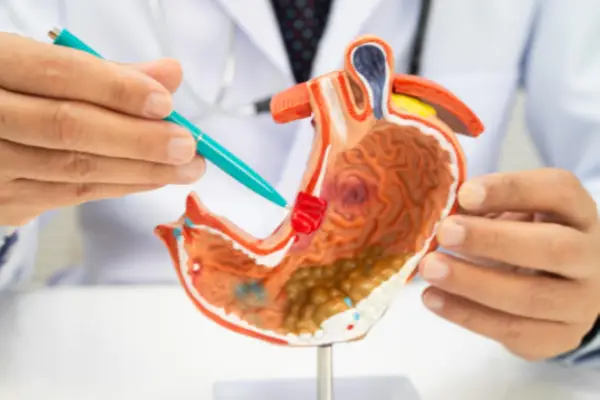
What Is Stomach Cancer?
Stomach cancer can start in different parts of the stomach and often grows slowly. In the early stages, many people have no noticeable symptoms. Seeing a doctor when symptoms persist can lead to earlier diagnosis and more treatment options.
Symptoms of Stomach Cancer
Common symptoms include:

Note: These symptoms can also be caused by non-cancerous conditions such as acidity or ulcers. If they continue, please consult a specialist.
01
Persistent indigestion or abdominal discomfort
02
Loss of appetite
03
Feeling full after eating small amounts
04
Nausea or vomiting
05
Unexplained weight loss
06
Difficulty swallowing
07
Persistent weakness or fatigue
08
Blood in vomit or stool, in some cases
Causes and Risk Factors
The exact cause is not always known. Some factors may increase the risk of stomach cancer:
Long-term Helicobacter pylori (H. pylori) infection of the stomach
Smoking and heavy alcohol use
A diet high in salted, smoked or pickled foods
Previous stomach surgery or long-standing stomach inflammation
A family history of stomach cancer
Older age
Note: Having a risk factor does not mean you will develop cancer. Many people with stomach cancer have none of these.
When to See a Doctor
Consult a doctor if you have indigestion, stomach discomfort, loss of appetite or weight loss that does not settle within a few weeks. Seek medical care promptly if you have:
Vomiting blood
Black or bloody stools
Difficulty swallowing
Rapid, unexplained weight loss
How Is Stomach Cancer Diagnosed?
An accurate diagnosis is essential for choosing the right treatment. Based on your symptoms and examination, your doctor may recommend:
Upper gastrointestinal endoscopy
A thin, flexible tube with a camera to look inside the stomach
Endoscopic biopsy and histopathology
A small tissue sample examined under a microscope to confirm cancer
CT scans and other imaging
To check the size of the tumour and whether it has spread
Staging tests
To determine how far the cancer has advanced
Note: Our [Gastroenterology Department] supports the evaluation of digestive conditions, while oncology specialists assess the diagnosis and plan cancer treatment.
Stomach Cancer Treatment Options
The right treatment depends on the cancer stage, tumour location, whether the cancer has spread and your overall health. Your care team will explain the options and the reasons for their recommendation.
01 / SURGERY
Stomach Cancer Surgery
Surgery may be recommended when the tumour can be removed. Depending on where the cancer is and how far it has grown, the surgeon may remove part of the stomach or, in selected cases, the whole stomach. Nearby lymph nodes may also be checked or removed. Asian Cancer Institute offers [Surgical Oncology] services, with operating theatres and a robotic surgery suite to support suitable procedures.
01 / SURGERY
Chemotherapy
Chemotherapy uses anti-cancer medicines to destroy or control cancer cells. It may be given before surgery, after surgery, or as part of treatment for advanced cancer. Our [Medical Oncology] team decides on treatment based on your diagnosis, pathology results and overall health. Chemotherapy and daycare services are available for eligible patients.
01 / SURGERY
Targeted and Personalised Treatment
Some stomach cancers have specific biological or molecular features that help doctors choose suitable treatments. Where clinically appropriate, additional tests may be done to support personalised planning. In some cases, other treatments such as radiotherapy or immunotherapy may also be considered.

Possible Risks and Side Effects
All cancer treatments have possible side effects, and these vary from person to person.
After surgery
Pain, bleeding, infection, or problems at the surgical join. After stomach removal, some people have trouble eating large meals or absorbing certain nutrients.
During chemotherapy
Nausea, tiredness, loss of appetite, lower blood counts and a higher risk of infection. Your team will discuss what to expect and how side effects are managed.
Recovery and Aftercare
Recovery depends on the type of treatment and your general health. After stomach surgery, you may need to change how you eat, for example by having smaller, more frequent meals. A dietitian can guide you on nutrition. Regular follow-up visits help the team monitor your recovery and check for any return of the disease.
Our Experts
Stomach cancer care may involve specialists from several areas of oncology and surgery. At ACI Cumballa Hill Hospital, patients have access to experienced specialists across these disciplines.

Padmashri
Dr. Ramakant Deshpande
MBBS, MS, FICA, FAIS, DHA
CHAIRMAN HOD Thoracic Surgery, Surgical Oncology

Dr. Sanjay Sharma
MBBS, MS, FICS, FAIS
Director HOD Breast Surgery, Thoracic Cancer Consultant Surgical Oncology
Why Choose Asian Cancer Institute?
ACI Cumballa Hill Hospital is a NABH-accredited tertiary healthcare centre with more than 50 beds and dedicated ICU facilities. It has three operating theatres, a robotic surgery suite, an endoscopy suite and daycare services.
Medical oncology, surgical oncology, gastroenterology, endoscopy, radiology and other supportive specialties work together, so you can receive coordinated cancer care under one roof. Our approach focuses on personalised treatment, clear communication and compassionate care through diagnosis, treatment and follow-up.
Questions, answered
Frequently Asked Questions (FAQs)
Every case is different. These answers can help you prepare for a more detailed conversation with your care team.
Early stomach cancer often causes no symptoms. When symptoms do appear, they can include ongoing indigestion, feeling full quickly, loss of appetite, nausea and unexplained weight loss. These are also common in less serious conditions, so a doctor's evaluation is the only way to know the cause.
Doctors usually perform an upper GI endoscopy and take a biopsy. The tissue sample is examined under a microscope to confirm cancer. Imaging such as a CT scan then shows whether it has spread.
It depends mainly on the stage at diagnosis. When the cancer is found early and can be removed, treatment may aim for a cure. In advanced cases, treatment usually focuses on controlling the disease and relieving symptoms. Your oncologist can explain what to expect in your situation.
No. Surgery is considered when the tumour can be removed. Some patients have chemotherapy before or after surgery, and others may be treated mainly with medicines if the cancer has spread. The plan is based on your individual diagnosis.
Common side effects include nausea, tiredness, reduced appetite and lower blood counts. Side effects differ from person to person, and your team can suggest ways to manage them.
Many people need to adjust their diet, often to smaller, more frequent meals. A dietitian can help you plan meals and maintain your nutrition during recovery.
Most stomach cancers are not inherited, but a small number are linked to family history or genetic factors. If several close relatives have had stomach cancer, tell your doctor, who may suggest further evaluation.
Speak with ACI
Book an Appointment for Stomach Cancer Treatment in Mumbai
If you have been diagnosed with stomach cancer, are experiencing persistent digestive symptoms, or are seeking a second opinion on your diagnosis or treatment plan, consulting an oncology specialist can help you better understand your condition and available treatment options. Contact Asian Cancer Institute – ACI Cumballa Hill Hospital to schedule a consultation or seek a second opinion.
Related Cancer Services
Depending on your diagnosis and treatment plan, you may also need: